
📖 Introduction
The Long Walk is a phrase that holds deep historical, cultural, and personal meaning. It can refer to historic events, symbolic journeys of resilience, or simply the act of taking long reflective walks in daily life. From the tragic Navajo Long Walk in the 19th century to literary works and modern interpretations, the phrase remains powerful and relevant.
This article explores The Long Walk from historical, global, and modern perspectives — blending facts, reflections, and life lessons.

🔑 1. The Historical Long Walk – Navajo People 🪶
One of the most well-known references is the Navajo Long Walk (1864) in the United States.
- Thousands of Navajo were forced by the U.S. government to march over 300 miles from their homeland in Arizona to eastern New Mexico.
- It was a tragic chapter marked by suffering, death, and displacement.
- Today, the Long Walk is remembered as a story of resilience, survival, and cultural preservation.
🔑 2. The Long Walk in Literature 📚
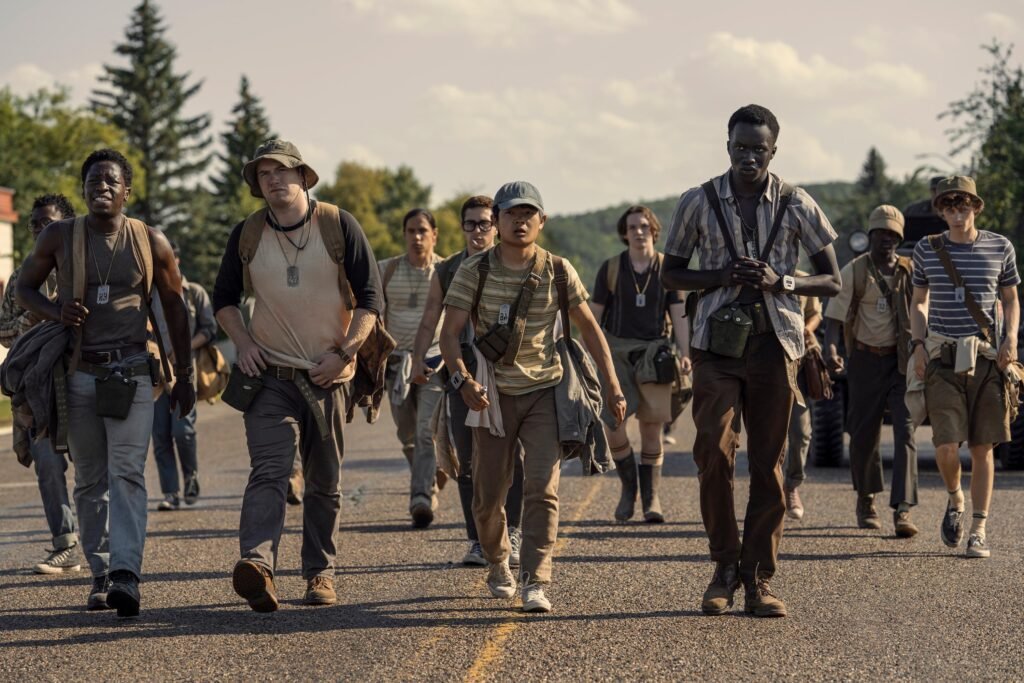
- Stephen King’s “The Long Walk” (1979): A dystopian novel where contestants must keep walking in a deadly competition — symbolizing endurance, struggle, and society’s harsh demands.
- Memoirs & Diaries: Many authors and travelers use “The Long Walk” as a metaphor for life journeys, hardships, and self-discovery.
- Poetry & Songs: Across cultures, long walks are linked to reflection, healing, and freedom.
🔑 3. The Long Walk as a Personal Journey 🌿
In modern life, taking a long walk is often:
- A stress reliever and meditation for mental health.
- A way to connect with nature and escape digital distractions.
- A form of exercise with health benefits like improved heart health, better sleep, and weight control.
- A time for reflection and decision-making.
🔑 4. Global Perspectives 🌍
- USA: Remembering the Navajo Long Walk and using walking as a wellness practice.
- Europe: Walking pilgrimages like the Camino de Santiago in Spain reflect spiritual long walks.
- Asia: Long walks are part of Buddhist and Zen traditions, offering peace and mindfulness.
- Africa: Historical long journeys for freedom, migration, and survival shape cultural memory.
- South America: Hiking trails like Inca Trail in Peru represent physical and spiritual long walks.
🔑 5. Lessons from “The Long Walk” ✨
- Resilience: Enduring struggles makes individuals and communities stronger.
- Reflection: Walking allows space for personal clarity and inner peace.
- History & Memory: Remembering past struggles ensures they are never repeated.
- Global Unity: Across the world, “The Long Walk” symbolizes humanity’s shared journey.
🔑 6. How to Experience Your Own Long Walk 🚶
- Choose a path – nature trails, city streets, or historical sites.
- Walk mindfully – focus on breathing and the environment.
- Use it for growth – reflect on your goals, challenges, and dreams.
- Document it – keep your own “Long Walk” diary or blog.
- Share your story – inspire others by narrating your journey.
🌍 Why “The Long Walk” Matters in 2025
In today’s fast-moving world, The Long Walk serves as a reminder of history, resilience, and the healing power of slowing down. Whether remembered as a historic tragedy, celebrated in literature, or embraced as a daily life practice, it continues to inspire globally.