
Iron is an essential mineral that helps transport oxygen throughout the body, supports energy production, and boosts overall health. A deficiency in iron can lead to fatigue, weakness, and anemia. To keep your iron levels in check, it’s crucial to include iron-rich foods in your diet. Whether you prefer animal-based or plant-based sources, experts recommend these 14 best iron-rich foods to keep you energized and healthy.
1. Spinach (Non-Heme Iron)
Iron Content: 2.7 mg per 100g (15% DV)
This leafy green is packed with iron and vitamin C, which enhances iron absorption. It’s a great addition to salads, smoothies, and stir-fries.
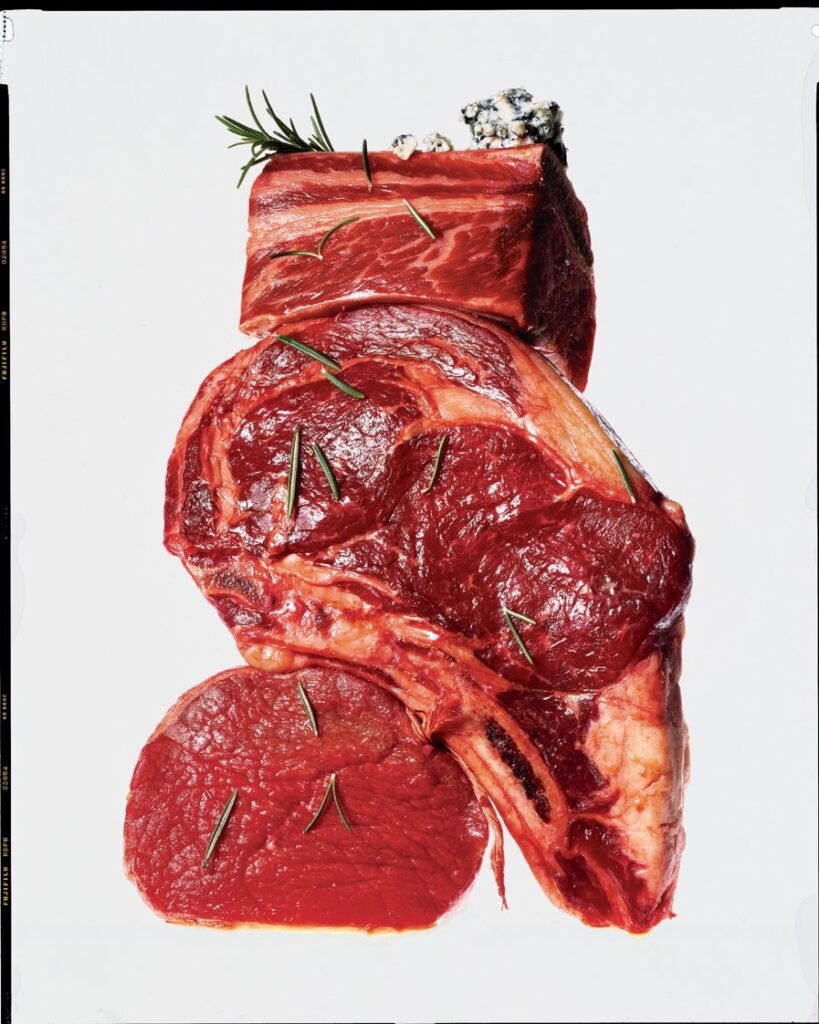
2. Red Meat (Heme Iron)
Iron Content: 2.6 mg per 100g (14% DV)
Beef, lamb, and pork are among the best sources of easily absorbable iron. Grass-fed beef is an even better option for added nutrients.
3. Liver & Organ Meats (Heme Iron)
Iron Content: 6.5 mg per 100g (36% DV)
Liver, kidneys, and heart from beef or chicken are loaded with iron and vitamin B12, making them a powerhouse for fighting anemia.
4. Shellfish (Oysters, Clams, Mussels) (Heme Iron)
Iron Content: 7 mg per 100g (39% DV)
Shellfish like oysters and clams are rich in highly absorbable iron and also contain zinc and vitamin B12 for immune support.
5. Legumes (Lentils, Chickpeas, Beans) (Non-Heme Iron)
Iron Content: 3.3 mg per 100g (18% DV)
A great plant-based source of iron, legumes also provide fiber, protein, and antioxidants, making them an excellent addition to vegetarian diets.
6. Pumpkin Seeds (Non-Heme Iron)
Iron Content: 4.2 mg per 28g (23% DV)
Pumpkin seeds (pepitas) are not only high in iron but also rich in magnesium, zinc, and antioxidants that support overall health.
7. Quinoa (Non-Heme Iron)
Iron Content: 1.5 mg per 100g (8% DV)
This gluten-free grain contains more iron than many other grains and is also packed with protein and fiber.
8. Tofu & Tempeh (Non-Heme Iron)
Iron Content: 3.6 mg per 100g (20% DV)
Soy-based products like tofu and tempeh are excellent iron sources for vegetarians and vegans.
9. Dark Chocolate (Non-Heme Iron)
Iron Content: 3.4 mg per 28g (19% DV)
Good news for chocolate lovers—dark chocolate is rich in iron and also contains magnesium, antioxidants, and flavonoids that support heart health.
10. Fish (Salmon, Tuna, Mackerel) (Heme Iron)
Iron Content: 1.4 mg per 100g (8% DV)
Fatty fish not only provide iron but also deliver omega-3 fatty acids and vitamin D for brain and heart health.
11. Poultry (Chicken, Turkey) (Heme Iron)
Iron Content: 1.3 mg per 100g (7% DV)
While not as rich in iron as red meat, chicken and turkey provide a good source of easily absorbable heme iron.
12. Fortified Cereals & Grains (Non-Heme Iron)
Iron Content: Varies (10–18 mg per serving, up to 100% DV)
Many breakfast cereals and whole grains like oatmeal are fortified with iron, making them a convenient option for boosting iron intake.
13. Nuts & Seeds (Almonds, Cashews, Sunflower Seeds) (Non-Heme Iron)
Iron Content: 2.5 mg per 28g (14% DV)
Nuts and seeds provide plant-based iron along with healthy fats and protein, making them a great snack option.
14. Beets & Beet Greens (Non-Heme Iron)
Iron Content: 1.8 mg per 100g (10% DV)
Beets and their leafy greens contain iron, folate, and nitrates that help improve blood circulation and stamina.
How to Maximize Iron Absorption
While consuming iron-rich foods is essential, pairing them with vitamin C-rich foods (like citrus fruits, bell peppers, and tomatoes) can enhance absorption. Avoid drinking tea, coffee, or dairy with iron-rich meals, as they can inhibit absorption.
Final Thoughts
Including a variety of iron-rich foods in your diet is key to maintaining energy levels and preventing deficiencies. Whether you prefer meat-based or plant-based sources, these expert-recommended foods will help you stay strong and healthy in 2025.