
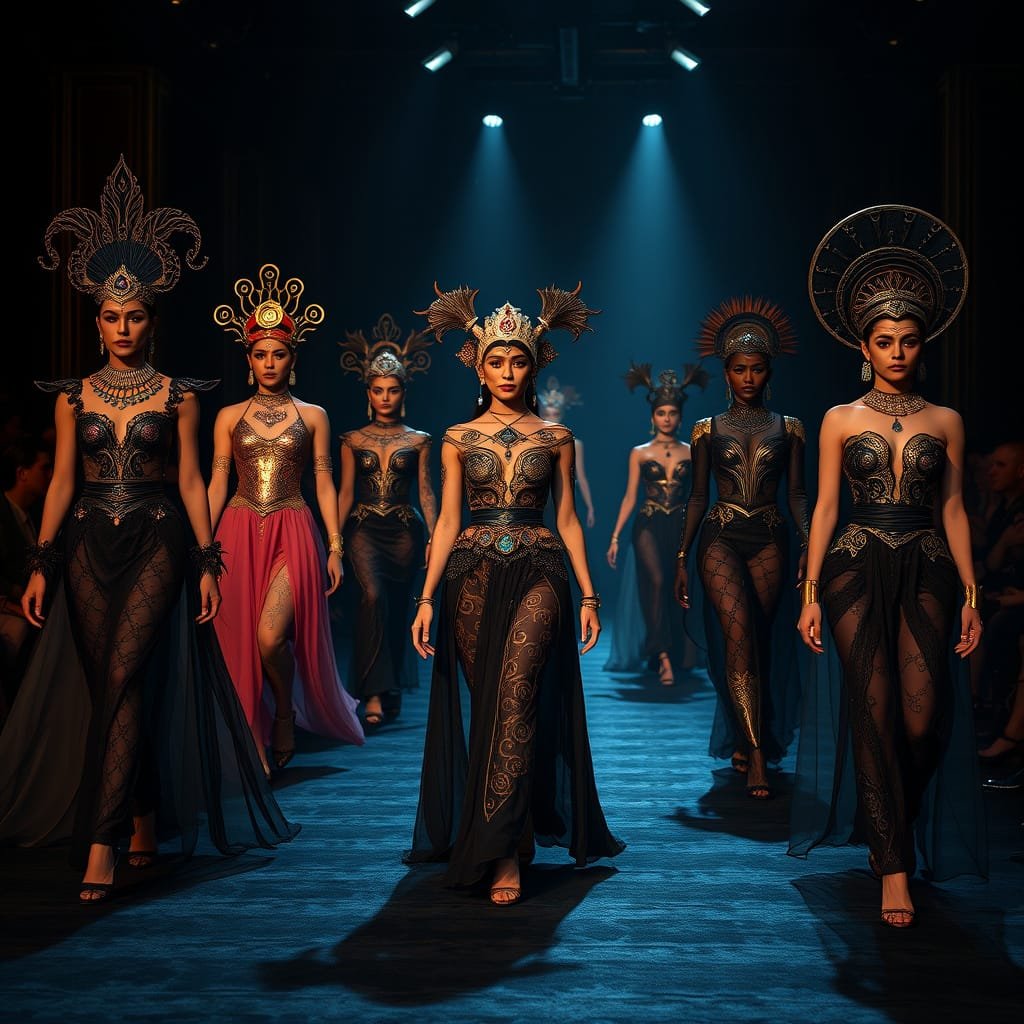
Kajal, also known as kohl, has transcended its roots as a beauty staple to become an undeniable force in the world of fashion. From ancient civilizations to contemporary runways, kajal continues to evolve, proving that its allure is timeless.
A Timeless Tradition
Kajal’s history dates back thousands of years, with its origins in ancient Egypt and South Asia. Traditionally used to protect eyes from harsh sunlight and ward off evil, it quickly became a symbol of beauty, mystery, and strength.
Kajal in Modern Fashion
Today, kajal is more than just an eye cosmetic. Fashion designers and makeup artists have embraced its versatility, using it to create everything from subtle, everyday looks to bold, avant-garde statements on the runway.
- Runway Influence: Leading fashion houses have incorporated intense kajal-lined eyes into their collections, adding drama and depth to their designs.
- Celebrity Endorsement: Icons like Rihanna, Deepika Padukone, and Billie Eilish have often sported kajal looks, influencing trends and inspiring millions.
Why Kajal Is the Pulse of Fashion
- Versatility: Kajal’s adaptability makes it suitable for every fashion aesthetic, from minimalistic chic to gothic glam.
- Cultural Resonance: Its deep cultural significance adds layers of meaning to fashion, blending tradition with modernity.
- Bold Statements: A simple swipe of kajal can transform any look, making it a favorite for designers aiming to make a statement.
How to Incorporate Kajal into Your Style
- Classic Smokey Eyes: Blend kajal with eyeshadow for a timeless smoky eye that complements any outfit.
- Graphic Lines: Experiment with bold, graphic lines for an edgy, high-fashion look.
- Understated Elegance: A soft line along the waterline adds a touch of elegance to everyday makeup.
Final Thoughts
Kajal’s journey from ancient rituals to high fashion is a testament to its enduring appeal. As the main pulse of fashion, it continues to inspire, innovate, and influence, proving that sometimes, the simplest elements leave the most profound impact.